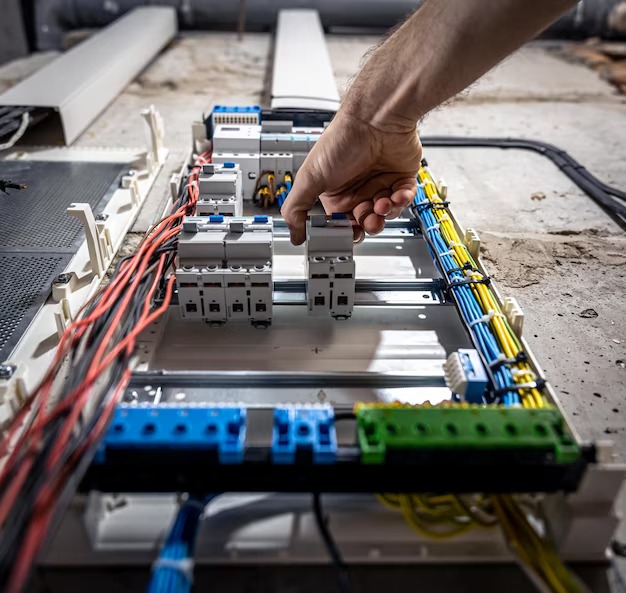
Electrical Panel Upgrades and Change-Outs
- Powers Air HVAC, 2 Cedar St, Framingham MA 01702
What Electrical Panel Upgrades and Change-Outs Involves
- The main breaker, which sets a hard ceiling on how much the whole house can draw at once
- The bus bar behind it, which has to be rated to match that ceiling
- The breaker slots feeding each circuit, and whether any are actually open
- The panel schedule, or the lack of one, telling you what's connected to what
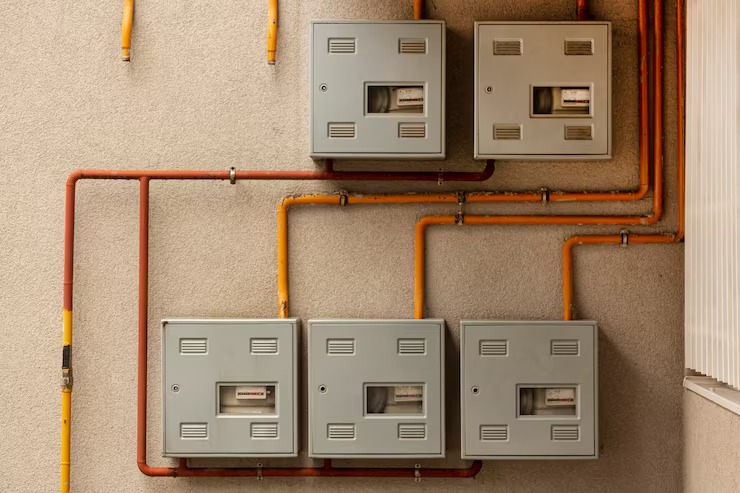
- The meter socket and service entrance conductors bringing power in from the utility
When It Is the Right Answer and When It Is Not
This is the part a lot of electricians skip, because a change-out is bigger work than a subpanel or a load management device, and bigger work is usually the more profitable answer to sell. We’d rather tell you the truth up front, because the honest answer is often that the panel is fine.
A change-out is genuinely the right call when:
- The panel is physically full, with no open slots and no way to make room without double-tapping breakers past their rating
- The existing service is fused, or rated below 100 amps, which is a safety issue on its own
- A load calculation shows the combination of loads you're planning, a cold-climate heat pump, a heat pump water heater, an EV charger, doesn't fit under the existing service and there's no other way to make it fit
- The panel has a documented history of the kind of failures certain older brands are known for, or shows corrosion or lugging beyond spec
- The panel has open slots and the load calculation shows headroom, in which case a subpanel fed from the existing service often solves crowding for a fraction of the cost
- The only concern is whether one new large load, most often an EV charger, will fit, in which case a load management device can share amperage with an existing large circuit, like a range or dryer, so the two never draw at once
- The worry is based on assumption rather than a calculation. We run the numbers before we recommend anything, not after
How We Size and Specify
Sizing starts with a load calculation, not a guess. That means tallying the circuits already on the panel, adding the draw of any new equipment being planned, the heat pump condenser and air handler, the water heater element, the EV charger circuit, and comparing that total against the rated capacity of the existing service. That comparison tells us one of three things: the panel has room, a subpanel or load management device closes the gap, or the service itself needs to go up in amperage.
We do this before we write a quote, not after equipment is on the truck. If you’re only asking about the panel today with heat pump or EV work planned for later, it’s still worth running the numbers now, so the panel we install has the headroom that future work will need instead of becoming the bottleneck again.
Equipment and What Actually Differs Between Systems
- Main breaker panels versus meter-main combination units, which combine the meter socket and main disconnect in one enclosure
- Breaker technology, since current code requires AFCI or GFCI protection on circuit types older panels were never built to include
- Bus bar material and rating, which needs margin above the service size, not a fit right at the edge of it
- Enclosure type, since a panel on an exterior wall needs different weatherproofing than one in a basement or garage
- Physical slot count, since an all-electric house with a heat pump, water heater, and EV charger circuit needs more usable slots than a panel built decades ago
What the Work Looks Like Start to Finish
We’re not going to walk through the technical steps of a change-out here. That work involves the service conductors coming into your house, and there’s no safe, hedged version of that instruction for a homeowner to follow. What we will walk through is the process around it.
An on-site assessment and load calculation come first, so any recommendation is based on your actual panel and your actual planned loads. From there we write a scope specifying the panel size, breaker count, and whether a subpanel or load management device was considered as a lower-cost alternative. A permit gets filed with your town before any work begins, and we coordinate with the utility for the temporary service disconnect a change-out requires. The work itself is performed in-house under {ELECTRICAL_LICENCE}, never referred out. Your town’s electrical inspector signs off before the panel is closed up and service is restored, and you’re left with a copy of the permit, the inspection sign-off, and an updated panel schedule.
Every panel upgrade and change-out we perform is permitted and inspected, in every town in our territory. If a quote you got elsewhere doesn’t mention a permit, that’s worth asking about.
What it costs
- The amperage rating you land on
- Whether the meter socket and service mast also need replacing along with the panel
- Whether the utility requires an extended outage window
- What your town charges for the permit
- Whether the work is paired with a heat pump or EV charger installation happening at the same time
Rebates and Incentives
Permits and Inspection