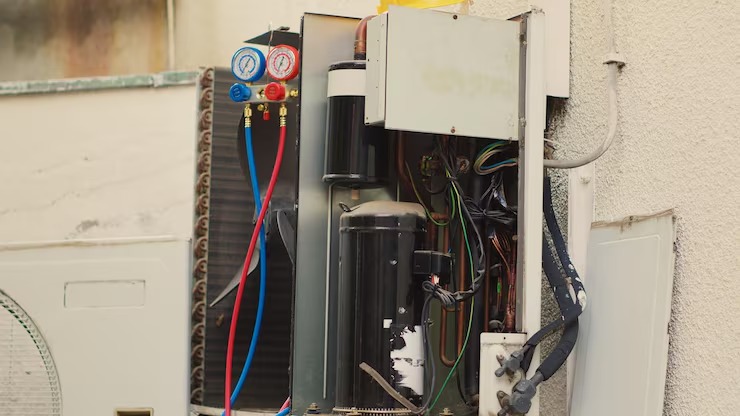
HVAC Contractor in Amherst, MA
- Powers Air HVAC, based in Granby, MA
- Ductless mini-split installation, single-zone and multi-zone
- Heat pump installation and replacement, cold-climate rated equipment
- Central air conditioning
- Furnace installation and replacement
- Ductwork and ventilation
- Electrical panel upgrades and change-outs, licensed and permitted, done in-house
- EV charger installation
What Amherst homes are working with
A good share of the housing inside walking distance of downtown predates ductwork entirely. Steam and hot water radiators are original equipment in many of these houses, and retrofitting a duct system into plaster walls and low ceilings rarely pencils out. That’s exactly the case ductless mini-splits were built for: individual wall or ceiling-mounted heads, one per room or zone, connected to an outdoor unit through a small refrigerant line set that runs through a hole a few inches wide instead of a duct chase.
The buyer profile changes because of the university. A meaningful share of housing near campus is owned by landlords and property managers running single-family homes that were split into two, three, or more units over the decades, sometimes with one boiler still trying to heat all of them. That calls for a different kind of specification: separate zones with separate thermostats so one tenant isn’t paying to heat another tenant’s apartment, equipment that can be serviced without entering every unit, and a plan for buildings with no natural gas line, where the fuel today is oil or propane delivered by truck. Owner-occupiers in the outlying parts of town are usually a simpler job: one house, one system, often an older forced-air furnace being weighed against a heat pump for the first time.
How we size and specify the system
A quote from us should give you enough to actually evaluate it:
- A room-by-room load calculation, not a flat square-footage number
- Specific equipment model numbers, not just "a 2-ton system"
- Line set lengths and routing
- Confirmation the electrical service has capacity, or what it will take if it doesn't
- Permit and inspection included, not an add-on
- A written price, not a verbal estimate
What the work involves
- Site visit and load calculation
- Written proposal with equipment, zones, and price
- Permit filed with the town
- Installation, typically one to three days depending on scope
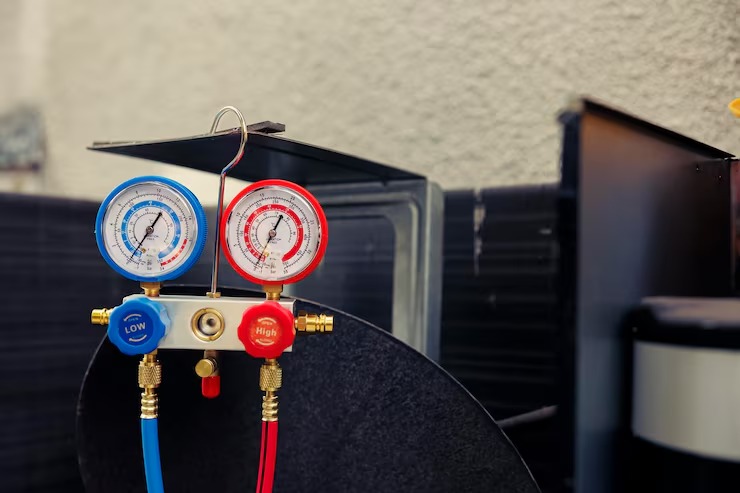
- Commissioning and system check, including refrigerant charge verification
- Inspection and walkthrough
What it costs
Ductless mini-split systems typically run from the lower end to the higher end installed for a single zone, with each additional zone adding to that. Central air conditioning, furnace replacement, and multi-zone heat pump systems fall into a wider range depending on the scope of the job. What actually moves the number: how many zones the house needs, whether the indoor units are wall-mounted, ducted cassettes, or floor-mounted, how far the line sets have to run, whether the electrical panel has room for new circuits or needs work first, and how easy the equipment is to access.
We won’t give you a number worth trusting until we’ve seen the house and run the load calculation. Every quote from Powers Air is written, not verbal, and it’s a price, not a placeholder for change orders once the crew shows up.