HVAC Contractor
- Powers Air HVAC, based in Granby, MA
What HVAC Contractor Involves
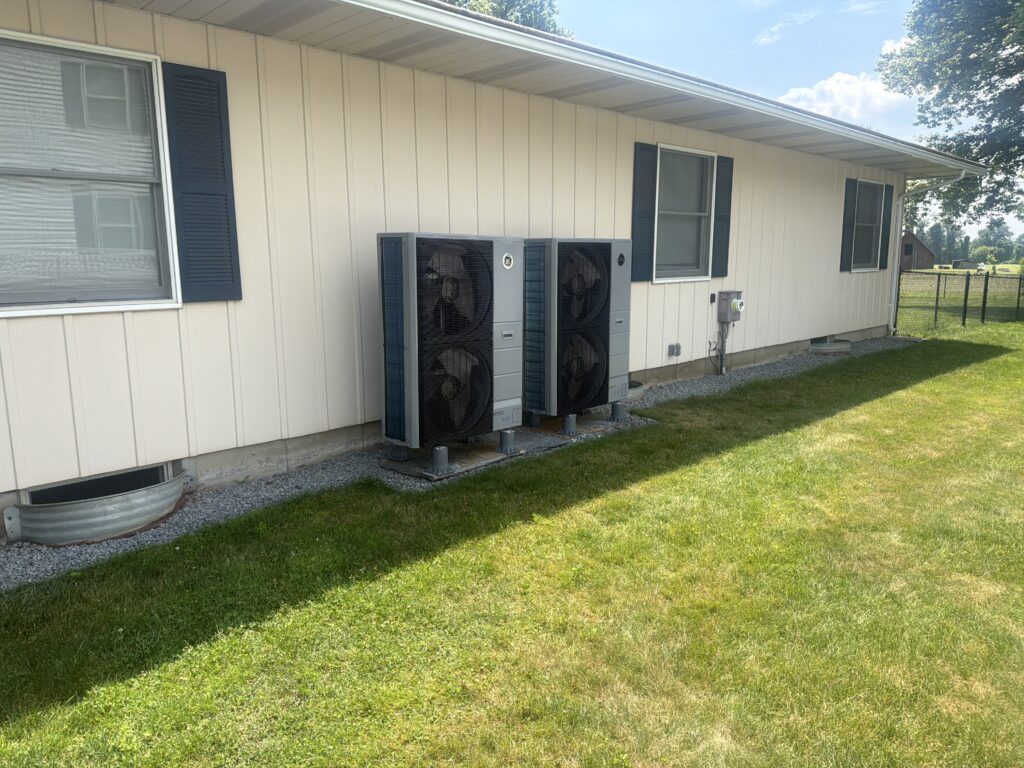
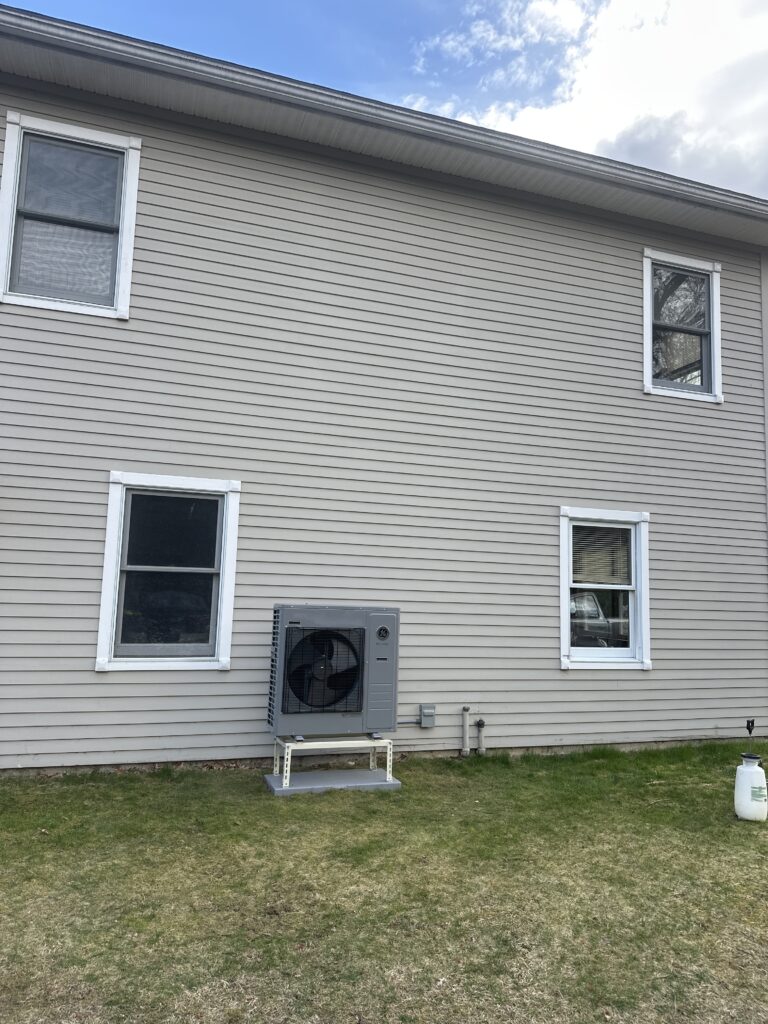
- Ductless mini-splits and heat pumps, which is where we spend most of our time and the equipment we know best
- Central air conditioning, including repair, replacement, and new installation
- Furnaces, oil, propane, and gas, including repair and replacement
- Ductwork design, repair, and modification for both new and existing systems
- Ventilation, including fresh air systems and exhaust for tighter, more efficient homes
- Electrical panel upgrades and change-outs, performed in house under
- EV charger installation, also performed in house rather than referred to a separate electrician
When It Is the Right Answer and When It Is Not
Not every job needs a full-service contractor, and it’s worth being honest about that instead of pretending every call has to go through a big conversation.
A full-service HVAC contractor is the right call when:
- You're not sure yet whether the answer is a repair, a replacement, or a different type of system entirely, and you want that assessed honestly before committing to anything
- The project touches more than one trade, for example a heat pump install that also needs a panel upgrade, or a furnace replacement that uncovers a ductwork problem
- You're planning a larger project, like converting from oil heat to a heat pump system, adding central air to a house that's never had it, or outfitting a house for an EV charger alongside other electrical work
- You want one person accountable for sizing, permitting, and the actual installation, rather than managing multiple contractors yourself
- You already know exactly what's wrong, for example a mini-split that's stopped cooling or a furnace that won't ignite, in which case the repair pages for that specific equipment will get you a faster, more targeted answer
- The job is purely plumbing, which Powers Air doesn't perform directly. We coordinate that through a trusted subcontractor when it's part of a larger project, but a standalone plumbing issue is better served by calling a plumber directly
- You need a manufacturer certification, a specific brand relationship, or a warranty registration Powers Air hasn't confirmed. We won't claim a certification we don't have, and we'll tell you plainly if that matters for your situation
Drew would rather point you to the right narrower service, or tell you the job is smaller than it sounds, than turn a simple call into a bigger contract than the house needs.
How We Size and Specify
Every trade under this roof gets sized the same way: based on the actual house, not a rule of thumb. For heating and cooling equipment, that starts with a Manual J load calculation, which accounts for square footage, insulation, window count and orientation, ceiling height, and how the specific house holds or loses heat. That number, not the size of whatever’s currently installed, determines equipment sizing. Oversizing is the most common mistake in this industry, and it doesn’t make a house more comfortable. An oversized system cools or heats the air fast, shuts off, and short cycles instead of running a longer, steadier cycle that actually controls temperature and humidity evenly.
For heat pumps specifically, sizing includes checking cold-climate ratings and HSPF2 performance, since capacity drops as outdoor temperature drops, and deciding whether backup or auxiliary heat is needed to cover the coldest stretches of a Massachusetts winter. For furnaces, it means checking AFUE ratings and static pressure in any existing ductwork before assuming new equipment can run through it. For electrical work, sizing means an honest load calculation for the panel itself, factoring in what’s already on it and what new equipment, a heat pump, an EV charger, a new furnace blower, will add, rather than assuming the existing panel has room simply because it hasn’t tripped yet.
Equipment and What Actually Differs Between Systems
- Ductless mini-splits work in homes with no ductwork at all, which describes a lot of the older housing stock in this territory, especially homes with steam or hot water radiators. Central air and standard furnaces need ductwork to function, ductless doesn't
- A large part of this territory has no natural gas distribution, so furnace decisions here usually come down to oil versus propane versus a heat pump, not a simple gas upgrade like you'd see closer to Boston
- Heat pumps handle both heating and cooling through one system, while a furnace-plus-air-conditioner setup is two separate systems doing one job each
- Panel capacity is a real, physical limit, not just a number on a label. A 100-amp panel that's already near capacity can't safely take on a heat pump and an EV charger without either an upgrade or a load management strategy
- EV charger installation depends heavily on where the vehicle actually parks and how far that is from the panel, which is a bigger factor in cost and feasibility than the charger itself
- Commercial HVAC work often involves different equipment classes and code requirements than residential, and the assessment starts from the building's use, not a residential template
What the Work Looks Like Start to Finish
You call, and we start with a real conversation about what’s happening or what you’re trying to accomplish, not a script.
For anything beyond a straightforward repair, we come out, assess the house or building, and run the calculations that matter, load, static pressure, panel capacity, whatever the project touches. We’ll walk you through what we find in plain language, including any trade-offs, before quoting anything.
If the project moves forward, we schedule it. Work performed directly by Powers Air, HVAC installation, ductwork, electrical panel work, EV charger installation, is done by Drew and handled in house from start to finish. Plumbing tied to a larger project is coordinated through a trusted, licensed subcontractor. Every job that requires a permit gets one, and every inspection that’s required happens. Once the work is done, we test the system under real conditions, not just a quick power-on, before calling it finished, and we clean up after ourselves.
What it costs
- Which trade or combination of trades the project touches
- The size and complexity of the load calculation, whether that's BTUs for a heating and cooling system or amps for an electrical panel
- The condition of what's already in place, existing ductwork, an aging panel, old wiring
- Whether the project needs coordination across more than one trade, such as HVAC and electrical together
- Permit and inspection requirements for your specific town
Rebates and Incentives
Where We Work