
EV Charger Installation in Amherst, MA
- Powers Air HVAC, based in Granby, MA
Where the Car Parks and What That Means
- Single-family home with a driveway or garage. The straightforward case. The main cost driver is distance from the panel to where the car sits, and whether the run is exposed in a garage or fished through finished walls.
- Small multi-family conversions. A lot of the older housing here was carved into two or three units over the decades, often still fed by one aging panel with circuits nobody has traced in thirty years.
- Larger apartment or condo buildings. Stacked meter banks, a house panel sized in a different era for hallway lighting and laundry, and a question that is rarely about the charger itself.
Level 2, and What Your Car Can Actually Take
The charger is not usually the limiting factor. Your car’s onboard charger is. A vehicle that only accepts 7.7 kW gains nothing from a 19.2 kW charging unit on the wall next to it. Before buying anything, it is worth knowing what your specific vehicle can actually draw, because that number, not the charger’s sticker rating, sets your real charging speed.
A dedicated 240 volt circuit is required either way. Code treats it as a continuous load, which means the circuit is sized well above the charger’s actual draw, not just matched to it. That headroom is not a suggestion, it is how the rating math works, and it is one of the places a rushed installation shows up years later as a warm breaker or a nuisance trip.
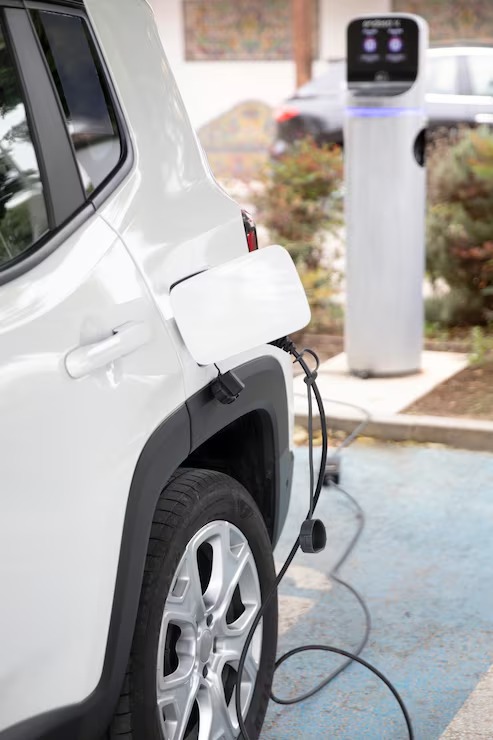
- Hardwired connection. No receptacle in the circuit at all. Typically the choice for higher-amperage installs, and there is no plug and cord sitting outdoors year after year to work loose or corrode.
- Plug-in on a NEMA 14-50 receptacle. The same style of receptacle used for a range or a welder. You can unplug the charger and take a portable unit with you, but code treats a cord-and-plug load differently than a hardwired one, and that changes some of the sizing and protection requirements.
Whether Your Panel Has Room
This is the question that sends roughly half of these jobs back to the panel first. A car charger is a large, continuous electrical load, and a house already running a heat pump, a heat pump water heater and an electric range may simply not have the spare capacity in the existing panel.
A load calculation answers this directly rather than guessing. Often the answer is yes, and the charger goes in without any panel work at all. When it does not, a load management device that shares capacity between the charger and other large loads is frequently cheaper than a full service upgrade, and it is worth pricing both before assuming you need the bigger job.
If your panel does need attention, see electrical panel upgrades in Amherst for what that involves, or how heat pump loads affect panel capacity.
What the Work Involves
At a high level, here is what the job covers. This is not a walkthrough for doing it yourself, and it should not be, because it involves the service conductors and panel work a licensed electrician is required to handle.
- A load calculation confirming the panel can carry the new circuit, or sizing a load management approach if it can't.
- Planning the run from the panel to the charger location, whether surface-run, fished through finished space, or trenched to a detached garage.
- Pulling the electrical permit before any work begins.
- Installing the dedicated circuit and charger or receptacle, sized and protected to code.
- Scheduling and passing the town inspection, which is what makes it code-compliant rather than just working.
What It Costs
- Distance from the panel to where the car actually parks.
- Whether the run is surface-mounted in an open garage or has to be fished through finished walls and ceilings.
- Whether the wall is masonry, which changes how the run is fastened and routed.
- Whether a trench is needed to reach a detached garage.
- Whether the panel itself needs work, from a load management device up to a full upgrade.
- Whether the permit and inspection are included in the quote at all.
That last point is where the cheapest quote usually loses its advantage. A number that skips the permit is not a lower price, it is an unfinished job with the risk pushed onto you. Every quote from Powers Air includes the permit and the inspection, because that is what makes the installation real.
Utility and state incentives for home charging exist and change fairly often. We can help you work out what currently applies once we know the scope of the job, rather than quoting a rebate amount that may not hold by the time the work is done.
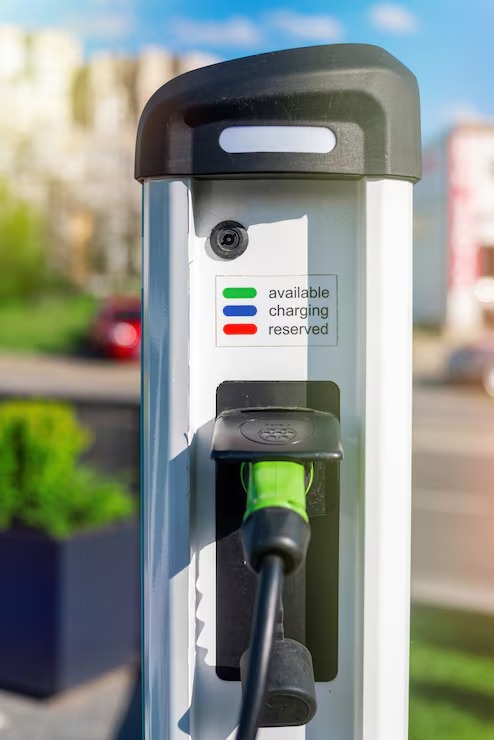
Permits and Inspection
Get a Quote
If you have a driveway, a garage or an assigned space and you’re weighing a home charger, the first useful step is a look at your panel, not a look at chargers. Call Powers Air HVAC at 413-339-3194 and we’ll walk through what your house can support and what it would take to get there.
See the full EV charger installation overview for how this works across the territory, or check typical EV charger installation costs for a broader breakdown.