
HVAC Contractor in Granby, MA
A lot of Granby is heated the hard way: oil tanks in the basement, propane tanks staked out by the driveway, baseboard loops running through additions that were never on the original heating plan. There is no natural gas main out here to speak of, which changes the math on a heat pump more than almost anything else about the house.
- Powers Air HVAC, based in Granby, MA
Whether you’re in a farmhouse off Route 202 that’s been added onto three times or a newer build on a couple acres, the question is rarely whether a heat pump or a new central system makes sense. It’s which configuration actually fits the house, the electrical service, and what you’re already paying for delivered fuel.
- Ductless mini-split installation, single-zone and multi-zone
- Heat pump installation and replacement, cold-climate rated equipment
- Central air conditioning
- Furnace installation and replacement
- Ductwork and ventilation
- Electrical panel upgrades and change-outs, licensed and permitted, done in-house
- EV charger installation
What Granby homes are working with
Granby’s housing stock splits into two eras that matter for HVAC decisions. There are older farmhouses, some well over a century old, with post-and-beam framing, plaster walls, and heating systems that were converted from coal to oil decades ago and never touched since except for burner swaps. Then there’s the later wave of post-war and more recent single-family construction on larger lots, built with forced hot water baseboard or, less often, oil-fired forced air with ductwork already in place. Very little of either category has natural gas service, so delivered oil and propane are the default, and both have gotten more expensive and less predictable to budget for.
That absence of gas is the single biggest reason a heat pump pencils out differently here than it would in a town with cheap piped gas. You’re not comparing heat pump operating cost against a low gas rate. You’re comparing it against oil deliveries or propane fills, and in that comparison a cold-climate heat pump usually wins on operating cost for most of the season, with the existing system staying in place as backup for the coldest stretches. A second local detail that shapes the job: a good share of Granby’s older homes have zero ductwork, just radiators or baseboard, which means central air isn’t a simple add-on. That’s exactly the case ductless mini-splits were built for.
How we size and specify the system
Every recommendation starts with a Manual J load calculation, not a guess based on square footage or what’s already installed. The load calculation accounts for insulation levels, window area and orientation, air leakage, and how the rooms are actually used, and it’s the only honest way to know what size equipment a house needs.
Oversizing is the most common mistake in this trade and it doesn’t make a house more comfortable, it makes it less. An oversized system short-cycles, meaning it blasts the space to temperature and shuts off before it’s run long enough to dehumidify or stabilize, so you get temperature swings and a clammy feel even though the thermostat reads fine. It also wears out compressors and controls faster from the constant starting and stopping. The fix isn’t more tonnage, it’s the right tonnage, specified room by room if the equipment is ductless, or matched to the existing duct system’s static pressure if it’s central air.
A legitimate quote should show you the load numbers, the equipment’s rated capacity at your design temperature, and how backup or auxiliary heat is handled below the heat pump’s efficient operating range. If a bid shows up with a price and a model number and nothing behind it, that’s worth asking about before you sign anything.
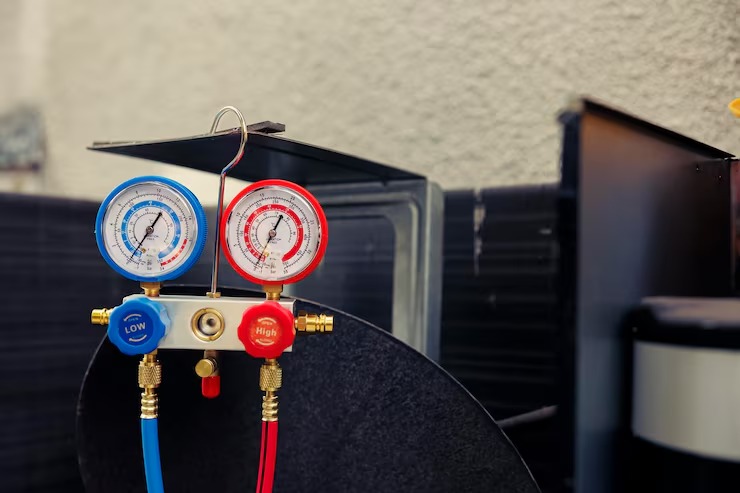
None of this is theoretical when you’re the one standing in a basement next to a thirty-year-old oil burner trying to decide whether to replace it, supplement it, or replace the whole heating plan with a cold-climate heat pump. That’s the conversation Drew has with Granby homeowners more than any other.
- A room-by-room load calculation, not a flat square-footage number
- Specific equipment model numbers, not just "a 2-ton system"
- Line set lengths and routing
- Confirmation the electrical service has capacity, or what it will take if it doesn't
- Permit and inspection included, not an add-on
- A written price, not a verbal estimate
The same goes for electrical capacity. A panel that was adequate for an oil burner and a window AC unit is not automatically adequate for a heat pump condenser and an EV charger. That gets checked before equipment gets ordered, not after.
What the work involves
- Site visit and load calculation
- Written proposal with equipment, zones, and price
- Permit filed with the town
- Installation, typically one to three days depending on scope
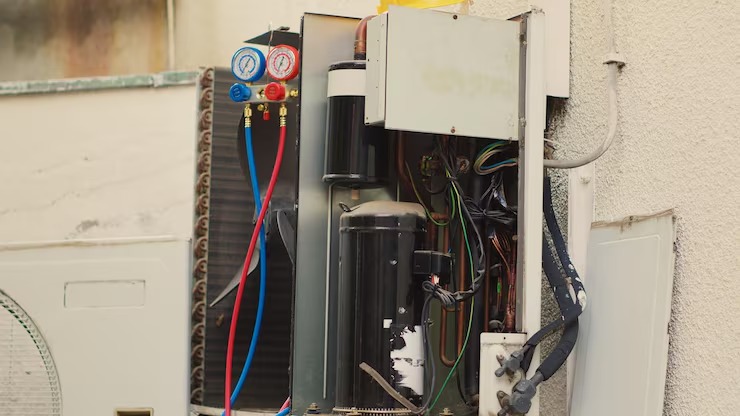
- Commissioning and system check, including refrigerant charge verification
- Inspection and walkthrough
On the HVAC side, Powers Air handles ductless mini-split and heat pump installs from single-zone bedroom additions up to whole-house multi-zone systems, central air conditioning for homes that already have ductwork, furnace replacement, and ductwork or ventilation work where static pressure or airflow is the problem rather than the equipment itself.
On the electrical side, panel upgrades and change-outs and EV charger installation are done in-house under Drew’s own electrical licensing, {ELECTRICAL_LICENCE}, not referred out to someone else’s subcontractor. That matters because a heat pump or charger install often starts with the question of whether the existing panel has the capacity and the breaker space, and having that answered and done by the same person who’s doing your HVAC work means one less handoff and one less chance for miscommunication between trades. Plumbing-adjacent work, like condensate routing or anything touching a boiler’s water side, is handled through a trusted subcontractor network rather than guessed at.
What it costs
Most ductless and heat pump installs in Granby run between {PRICE_LOW} and {PRICE_HIGH}, and the spread is almost entirely about four things: how many zones the house needs, whether you’re using wall-mounted heads, ducted cassettes, or a mix, how far the line sets have to run between outdoor and indoor units, and whether the electrical panel has room for the new circuit or needs upgrading first. A single-zone install in a small addition sits at the low end. A whole-house multi-zone system replacing an oil-fired setup in a larger farmhouse, especially one that also needs panel work, sits toward the high end. Central air and furnace jobs price out differently depending on whether existing ductwork can be reused or needs modification. Any number quoted before a site visit and load calculation is a placeholder, not a real price.
Permits and Inspection
Panel upgrades, new circuits for heat pump condensers, and EV charger installs all get permitted and inspected. That’s not optional paperwork, it’s what separates a legitimate installation from one that technically runs but hasn’t been checked by anyone outside the job. The cheap quote that skips the permit is usually the one cutting a corner somewhere you won’t see until it matters. Mechanical work on fuel-fired equipment and ductless condensers is handled to the same standard, with inspection scheduled as part of the job rather than left for the homeowner to chase down afterward.
Rebates and incentives
Mass Save exists, it changes periodically, and it’s worth understanding before you finalize equipment choices, since eligibility can depend on the specific system type and performance rating you install. Rather than quote figures here that may be out of date by the time you read this, it’s more useful to look at what’s current directly and then talk through what actually applies to your house. See masssave.com [EXTERNAL LINK: Mass Save program site, the authoritative source for current rebate terms] for the current program details, and our Mass Save heat pump rebates page for how to think through eligibility before you buy.
Get a quote
If you’re trying to figure out whether a heat pump makes sense against your current oil or propane bills, whether your panel can handle a new circuit, or what a ductless layout would even look like in a house with no existing ductwork, that’s a conversation worth having before any equipment gets picked. Call {PHONE} to set up a visit. Drew does the assessment and the work himself, with a subcontractor network for plumbing-adjacent pieces when a job calls for it.
frequently asked questions
Does Granby have natural gas service?
Most of Granby has no natural gas distribution, so homes run on delivered oil or propane. That's a major reason heat pump operating costs often compare favorably here, since you're measuring against fuel delivery costs rather than a low piped gas rate.
My house has no ductwork at all. What are my options?
Ductless mini-splits are built for exactly this situation. Each indoor head is sized to the room or zone it serves, and the outdoor condenser connects through a refrigerant line set rather than ductwork, so there's no need to retrofit a duct system into a house that was never designed for one.
Can my existing electrical panel handle a heat pump and an EV charger?
It depends on the panel's rated capacity and what's already on it. That gets checked on site before any equipment is ordered. If the panel needs an upgrade, that work is done in-house under Drew's electrical licensing rather than handed off to another contractor.
How cold does it have to get before a heat pump stops working?
Modern cold-climate heat pumps are rated to maintain a meaningful percentage of their capacity well below zero degrees Fahrenheit, but every model has a point where capacity drops off and backup heat needs to take over. That threshold gets factored into the sizing and the backup heat plan during the load calculation, not left as a surprise.
Is a load calculation really necessary for a simple install?
Yes. Even a single-zone mini-split can be oversized or undersized if it's picked off a chart instead of a room-by-room calculation. An oversized unit short-cycles and feels clammy even when the thermostat reads correctly, and an undersized one just can't keep up on the coldest days.
Do you work on both heating and cooling systems?
Yes. Ductless mini-splits and heat pumps are the specialty, but central air conditioning, furnace replacement, and ductwork or ventilation work for homes that already have ducts are all part of the regular workload.