
HVAC Contractor in Easthampton, MA
Easthampton’s old mill buildings and the three-deckers and worker housing that grew up around them were mostly built before anyone thought about central heat, let alone air conditioning. A lot of that housing still has cast iron radiators doing the work a furnace and ductwork would do elsewhere, and a lot of it has been bought in the last ten years by people actively renovating it rather than just living in it as-is.
- Powers Air HVAC, based in Granby, MA
That renovation culture matters for HVAC decisions here. Someone opening up plaster walls or converting a mill unit into living space is already thinking about insulation, air sealing and where the mechanicals go. That is a different conversation than a straight equipment swap, and it is one I have a lot more often in Easthampton than in towns where people just want the old furnace replaced with the same thing.
- Ductless mini-split installation, single-zone and multi-zone
- Heat pump installation and replacement, cold-climate rated equipment
- Central air conditioning
- Furnace installation and replacement
- Ductwork and ventilation
- Electrical panel upgrades and change-outs, licensed and permitted, done in-house
- EV charger installation
What Easthampton homes are working with
Easthampton sits in a part of Western Mass where natural gas service is inconsistent block to block. Plenty of homes here still heat with delivered oil or propane, which changes the math on a heat pump conversion in a real way. When the alternative is natural gas at low commodity prices, a heat pump has to work harder to win the argument on operating cost alone. When the alternative is oil or propane, the heat pump usually wins that argument by itself, before you even count the air conditioning it adds for free.
The building stock itself splits into two groups. There is the older center-of-town housing and the converted mill buildings, much of it with radiators and no ductwork, and there is a newer ring of homes built from the 1960s onward with forced hot air and existing duct runs. The first group is the strongest ductless case I see anywhere in this territory, because a mini-split system gets you cooling and efficient heat without opening a single wall. The second group is often a better fit for a central heat pump system or a hybrid setup that keeps the existing furnace as backup. Easthampton also has a meaningful amount of owner-renovated multifamily, which brings zoning and separate-metering questions into the sizing conversation that a single-family job never has.
How we size and specify the system
Every recommendation starts with a load calculation, not a nameplate number copied off the unit that’s already failing. A Manual J calculation looks at your actual insulation, window area, air leakage and square footage room by room, and it tells you the real heating and cooling load of the house. That number, not the size of the old furnace, is what the new equipment gets sized to.
Oversizing is the most common mistake in this trade and it is almost always done to be safe. An oversized system short-cycles – it blasts the space, satisfies the thermostat, and shuts off before it has run long enough to dehumidify the air or settle into steady, even output. You get a house that swings between too warm and clammy, equipment that wears out faster from constant starts and stops, and a cold-climate heat pump that never gets the chance to show you what it can actually do at low outdoor temperatures. A system sized to the real load runs longer, gentler cycles and holds the house steady.
A quote that skips the load calculation and just names a tonnage is a quote I’d be cautious about from anyone. The quote itself should tell you the calculated load, the equipment’s rated capacity at your design temperature, the HSPF2 and SEER2 numbers, how backup or auxiliary heat is handled below the heat pump’s crossover point, and the line set run length if it’s ductless. If a bid can’t answer those questions, it wasn’t built from your house.
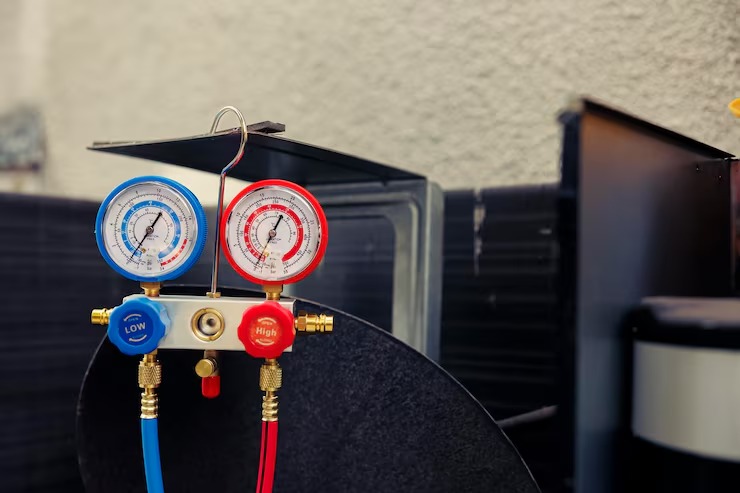
I walk every job in person before I write a number down. That means looking at your electrical panel, your attic or basement access, and where the outdoor unit can actually go without a line set run that eats into capacity.
- A room-by-room load calculation, not a flat square-footage number
- Specific equipment model numbers, not just "a 2-ton system"
- Line set lengths and routing
- Confirmation the electrical service has capacity, or what it will take if it doesn't
- Permit and inspection included, not an add-on
- A written price, not a verbal estimate
I’m also the one who shows up to do the work or stand over it, not a crew dispatched from an office. I bring in licensed subcontractors for plumbing when a job needs it, but the HVAC and electrical work is mine.
What the work involves
- Site visit and load calculation
- Written proposal with equipment, zones, and price
- Permit filed with the town
- Installation, typically one to three days depending on scope
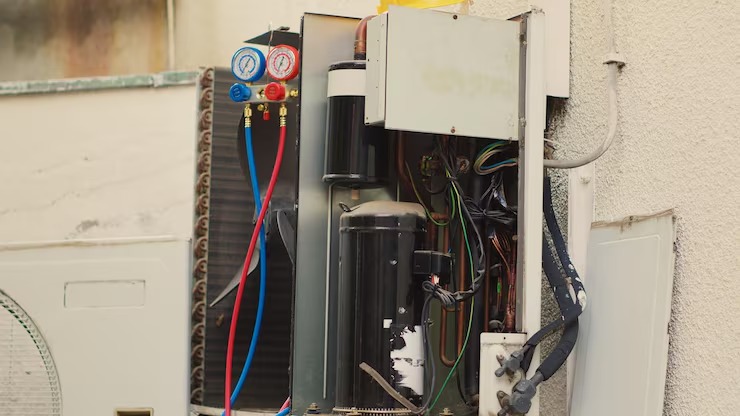
- Commissioning and system check, including refrigerant charge verification
- Inspection and walkthrough
On a ductless install, that means mounting indoor heads, running refrigerant line sets and condensate drains through exterior walls, setting the outdoor condenser on a pad or wall bracket, and commissioning the system to the manufacturer’s charge and airflow specs. On a central heat pump or AC job with existing ductwork, it means checking static pressure in that ductwork before assuming it can handle the new equipment’s airflow, because undersized or leaky ducts will choke a correctly sized unit and make it perform like an undersized one.
Panel work and EV charger installs are now part of what we do directly, under our own electrical licensing, not handed off to someone else. A lot of heat pump conversions and most Level 2 EV charger installs need more capacity than an older panel has available, and that gets evaluated as part of the same visit rather than discovered after the fact. All of it, panel changes included, is permitted and inspected work. If a quote doesn’t mention a permit, that’s worth asking about before you sign anything.
What it costs
A ductless mini-split system in Easthampton generally runs between {PRICE_LOW} and {PRICE_HIGH} installed, and the spread is driven by things that are specific to your house: how many zones you’re conditioning, whether you’re using wall-mounted heads or something lower-profile like a ceiling cassette, how long the line set runs need to be, whether your electrical panel has room for the new circuit or needs upgrading first, and how easy the install locations are to access. A central system in a home with usable existing ductwork tends to land in a tighter range than one where the ducts need rework. Panel upgrades and EV charger installs price separately based on your current service size and what the job requires. I’ll walk the site and give you a number built on your house, not a phone estimate.
Rebates and incentives
Mass Save offers incentives for qualifying heat pump installations, and the program is worth understanding before you finalize a system, since eligibility depends on the equipment and how the system is specified. Rules and incentive amounts change, so I won’t quote a figure here. What I can do is help you work out what might apply to your specific house as part of the proposal, and point you to masssave.com [EXTERNAL LINK: Mass Save official site, for current program rules and eligibility] for the current details straight from the source. See our Mass Save heat pump rebates page for more on how the program generally works.
Permits and Inspection
Every panel change-out, new circuit, EV charger install and HVAC system we put in is permitted with the town and inspected before it’s considered done. That’s not optional paperwork, it’s what protects you if there’s ever a fire, an insurance claim, or a future sale where the buyer’s inspector asks who pulled the permit. A low quote that skips the permit step is usually low because it’s skipping the part that costs time and accountability, not because it found you a better price on equipment.
Get a Quote
If you’re trying to figure out whether your Easthampton home makes more sense as a ductless retrofit, a central system, or a hybrid approach keeping your existing furnace for backup, I’ll come look at the house, run the numbers, and tell you what I’d actually do in your position. Call {PHONE} to set up a time.
frequently asked questions
Is a ductless mini-split a good fit for an Easthampton mill-era home with no ductwork?
Usually yes. Homes with radiators and no ducts are the clearest ductless case there is, since a mini-split gets you efficient heating and new cooling capacity without opening walls or losing closet space to duct chases.
Do I need to replace my oil or propane system entirely to switch to a heat pump?
Not necessarily. A lot of Easthampton homes keep their existing oil or propane furnace as backup heat for the coldest days and let a cold-climate heat pump carry the load the rest of the year, which lowers fuel use without a full system replacement.
Will my electrical panel support a heat pump and an EV charger?
It depends on your current service size and what else is on the panel. We evaluate panel capacity as part of the HVAC site visit and can handle a panel upgrade directly if you need one, rather than sending you to find a separate electrician.
How do I know if a quote is actually sized correctly for my house?
A proper quote is built from a load calculation specific to your home, not just the size of your old equipment. It should state the calculated load, the equipment's rated capacity, and how backup heat is handled in cold weather. If none of that is in writing, ask for it before you sign.